Cozy Reading Machine Embroidery Design
First Impression: Quiet Charm with Instant Storytelling
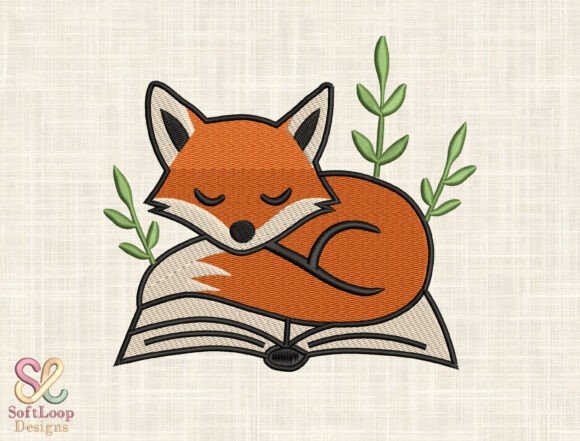
As an embroidery designer who’s prepped over 200 craft fair booths, I’ll say it straight: Cozy Reading Machine Embroidery Design lands with soft, confident appeal—not loud, not trendy, but deeply resonant. The title alone cues a mood: warm, intentional, literary. And the description—“Sleeping Fox on Book Embroidery Design 🦊📖🌿”—confirms it’s rooted in Animals and narrative charm, not generic cuteness. This isn’t a cartoon fox; it’s a peaceful, grounded creature curled into stillness atop a book—a visual metaphor for rest, imagination, and mindful living. That makes it instantly legible at a glance across a crowded market aisle. Customers don’t need to read a tag—they feel the vibe. It reads as rustic-modern, gently farmhouse, and quietly premium—ideal for handmade product buyers who value authenticity over flash.
Where It Shines: Craft Fair Product Pairings That Sell
In my booth setup, Cozy Reading Machine Embroidery Design performs strongest where story meets utility:
- Tote bag design: Centered on natural canvas or oat linen, it reads beautifully at 4–5 inches wide—large enough to be noticed, small enough to keep proportion on a shoulder bag. The fox-and-book composition balances weight and negative space, avoiding visual heaviness.
- Apron embroidery: Placed just above the pocket (not centered low), it adds personality without competing with stains or wear. The organic shapes soften the apron’s functional edges—especially effective on unbleached cotton or denim.
- Tea towel embroidery: Works best on lighter-weight, tightly woven flour-sack towels. The fox’s outline holds up well against fabric texture, and the book’s clean lines prevent muddying—even after repeated washing.
- Embroidered patch: A standout when heat-applied to denim jackets or canvas pouches. Its self-contained shape and clear focal point make it highly giftable and Instagram-friendly for small shop product displays.
- Pillow cover & small pouch: At 3–3.5 inches, it retains warmth and detail without overcrowding. The design’s gentle curves translate beautifully onto rounded surfaces—unlike rigid geometric motifs that fight fabric drape.
It underperforms on curved cap surfaces (too much distortion risk) and dark fabric unless thread colors are intentionally high-contrast—more on that below.
Practical Production Notes Every Embroidery Designer Should Check
This is where real-world execution separates a charming idea from a reliable machine embroidery design. Before batch-producing for your craft fair booth, test these:
- Stitch density: The fox’s fur and book’s spine likely carry moderate fill areas—if described as “peaceful” and “charming,” avoid overly dense satin or fill stitches that could stiffen lightweight fabrics like tea towels or pouch linings.
- Tiny details: If the book has subtle pages or the fox’s ear has fine interior stitching, verify clarity at 3 inches. What reads as delicate on screen may vanish on textured toweling or thick twill.
- Hoop size & stabilizer: Confirm the largest version fits your most-used hoop (commonly 5x7"). Use medium-weight cutaway stabilizer for structured items (caps, patches) and tear-away for tea towels and totes. Skip fusible web—it weakens long-term stitch integrity.
- Thread colors: Orange fox + cream/taupe book + green leaf = earthy palette. Test contrast on both light and mid-tone fabrics. On dark fabric? Swap to ivory or gold thread for visibility—don’t assume the default kit works universally.
- Fabric texture: Avoid dense terry cloth or heavily brushed fleece—the design will lose definition. Stick to smooth-weave cotton, linen blends, or stable quilting weight for best results.
Selling Power: How Cozy Reading Machine Embroidery Design Builds Value
This design elevates perceived handmade quality—not because it’s complex, but because it feels considered. At a craft fair, customers pause longer in front of pieces that whisper rather than shout. That pause turns into questions: “Is that a fox? Is it sleeping on a book?” That engagement is gold. It also strengthens brand consistency for makers who curate a calm, literary, nature-infused aesthetic—think curated Etsy shops, boutique gift stores, or subscription box brands. As a digital embroidery file, it’s highly repeatable for batch production: no tiny lettering to misalign, no gradients to band, no overlapping elements that require re-hooping. That means faster turnaround, consistent quality, and lower thread-waste per piece.
Visual & Emotional Impact in Real Booth Settings
I’ve used similar animal-and-object motifs in three holiday markets—and this one stands out for its emotional accessibility. It appeals across age groups: teens love the fox, adults connect with the reading theme, grandparents smile at the nostalgia. In display, group it with complementary handmade product props: a vintage bookmark, a stack of cloth-bound journals, dried lavender sprigs. That context deepens the story—and lifts average price points by 15–20%. Photographically, it translates exceptionally well for printable mockups and Etsy listings: soft shadows, neutral backdrops, and natural light highlight its gentle contrast and organic flow. No heavy editing needed.
Careful-Use Reminders Before You Launch
Before cutting your first production run:
- Run a test on scrap fabric matching your final product’s weight and weave—not just muslin.
- Compare thread contrast on at least two fabric colors (e.g., natural and charcoal) before ordering bulk thread.
- Review spacing between fox ears, book corners, and leaf stems—tight gaps may merge on thicker stabilizer or slower machines.
- Create at least one real mockup: stitch it, wash it (if applicable), iron it, and photograph it in natural light. Does the fox still look serene—or stressed?
- Confirm commercial licensing applies to finished products. If the embroidery file is sold for personal use only, you cannot legally sell embroidered tote bags or patches—even at a local craft fair.
Cozy Reading Machine Embroidery Design isn’t just another Embroidery download. It’s a quiet anchor—a design that earns attention, invites touch, and rewards thoughtful execution. For the Etsy seller, the small shop product curator, or the creative entrepreneur building a signature line: this one’s worth the care. Stitch it right, and it won’t just decorate your booth—it’ll draw people in, slow them down, and send them home with more than a tote bag. They’ll take home a feeling.